In the mid-1980s the Committee started to consider what if anything should be done to mark the Club’s centenary in 1987. Improvements at Muir Cottage were seen as too inward-looking, the possibility of building a new bridge was seen to conflict with the concept of ‘keep the wilderness wild’, and the replacement of either of the indicator plates erected by the Club on Lochnagar and Ben Macdui in the 1920s was thought to be premature. Then Club member Fiona Cameron came up with the idea of fencing a suitable area as a woodland regeneration project and this received enthusiastic support.
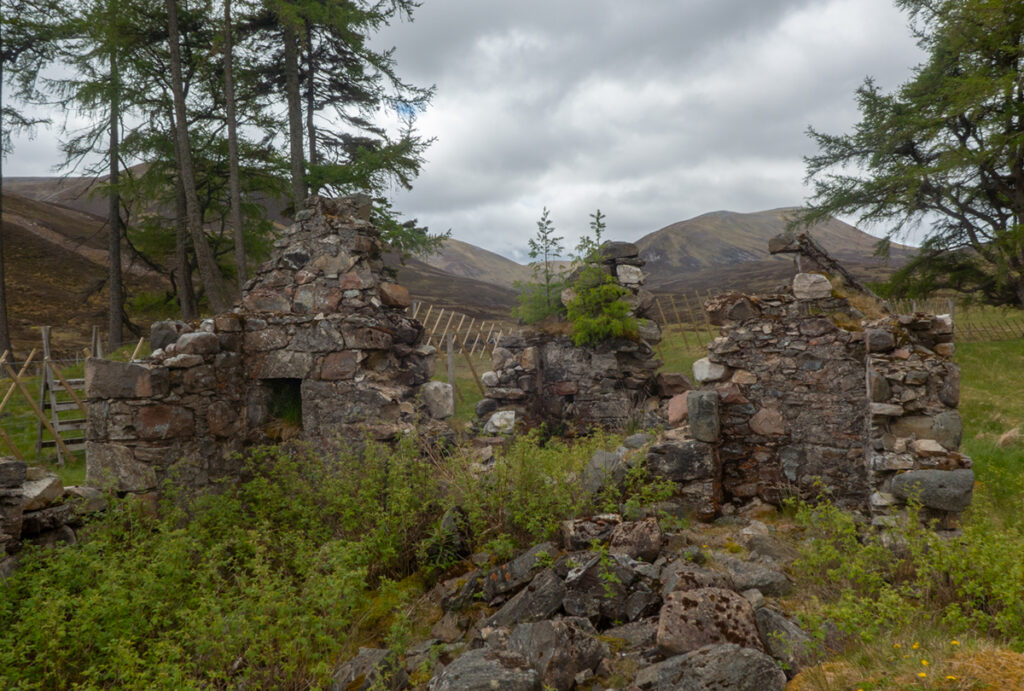
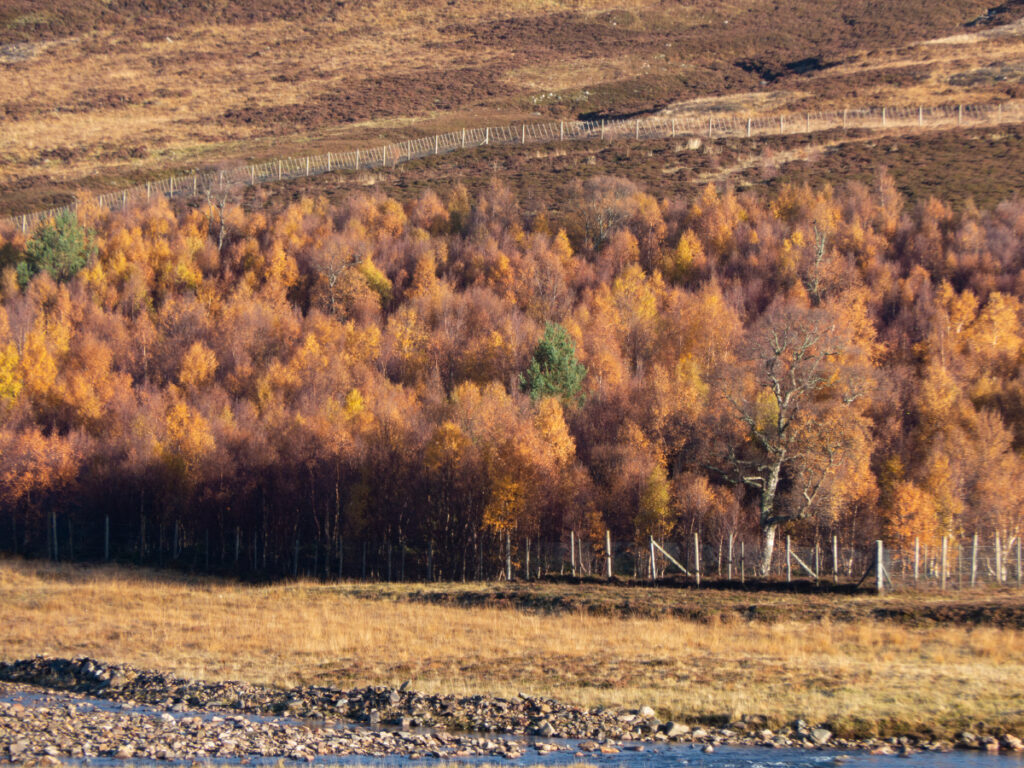
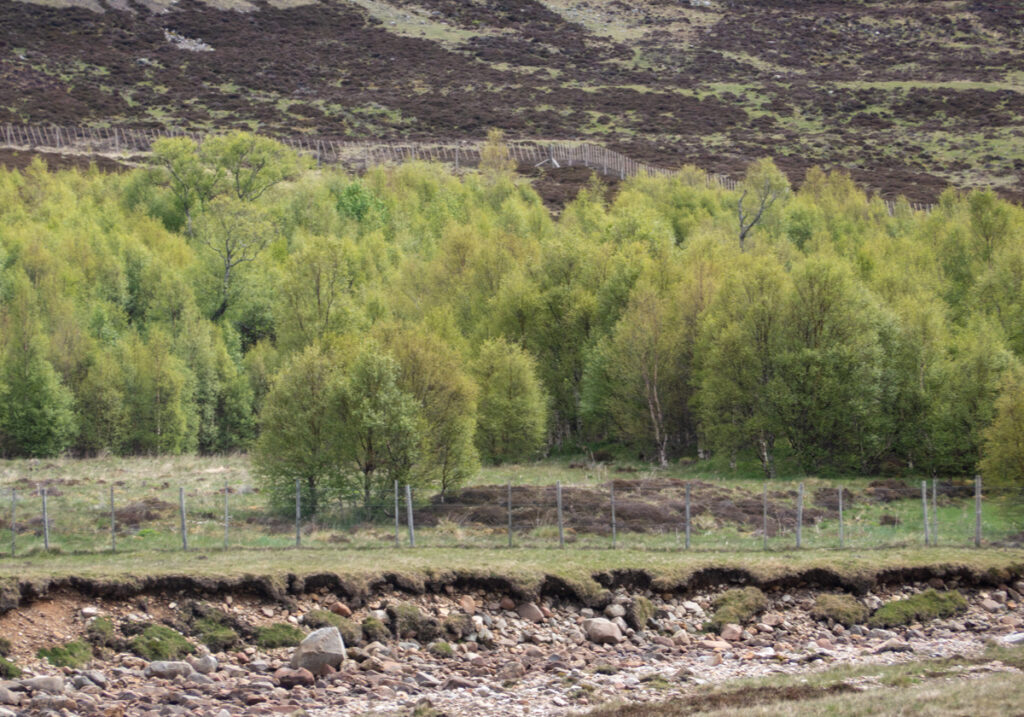
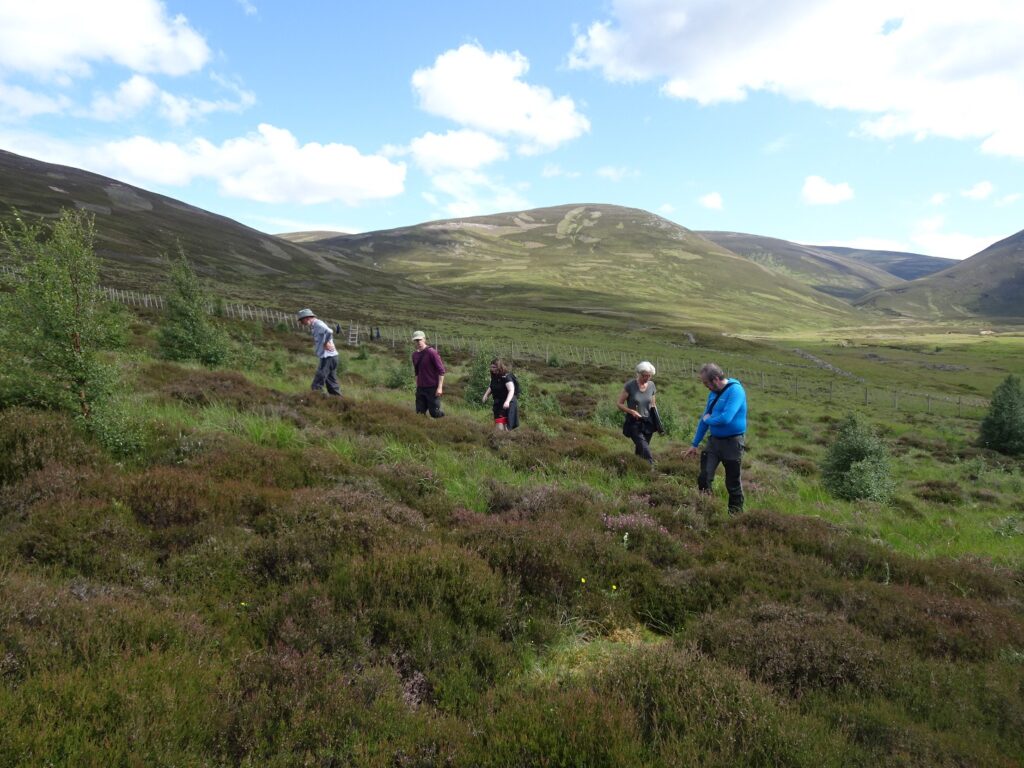
A site had to be found that would meet this aspiration – ideally somewhere in the Braemar area, close to the Club’s home hills and its cottage at Inverey. Glen Ey was at first seen as too exposed and too problematic for erecting a fence on rocky ground, but another Club member, Drennan Watson, identified as promising a site some 6 kilometres up the glen at map reference NO098857, named on the map as Piper’s Wood. It still had some standing birches thought to be capable of producing viable seeds, and there were numerous barely visible “bonsai” sapling birches which rabbits, hares or deer had eaten as quickly as they were growing.
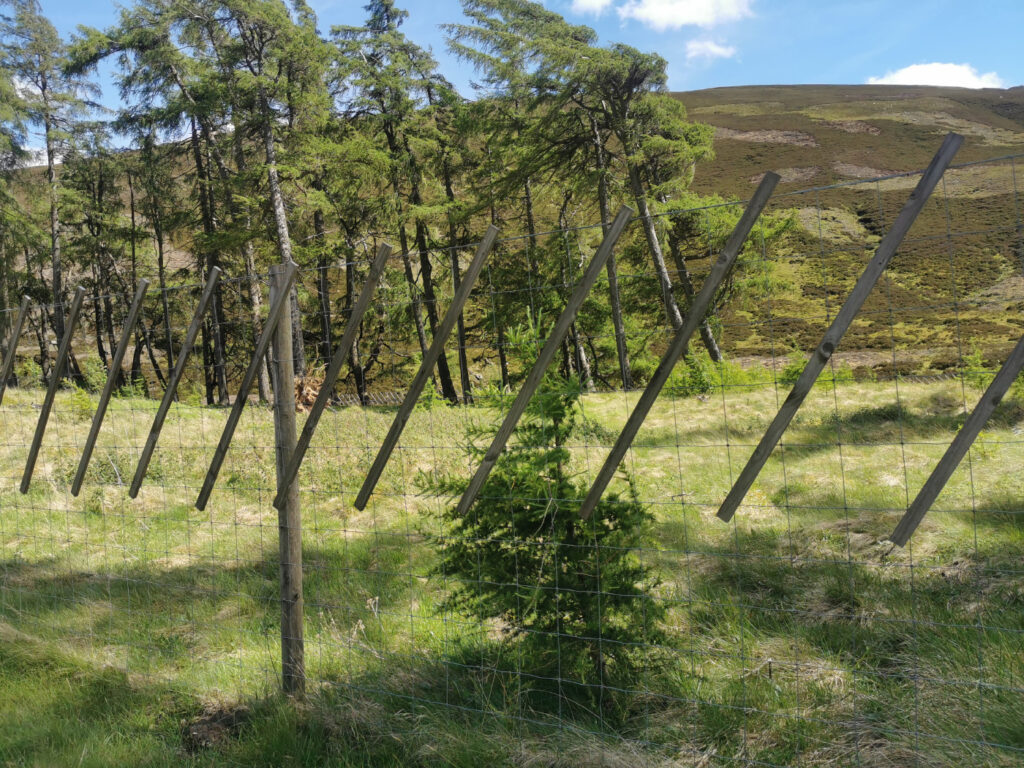
The landowners were the Mar Estate (not to be confused with the Mar Lodge Estate). On being approached they readily agreed to the Club enclosing an area of 1.74 hectares (4.3 acres). An anonymous donation of £1,000 ‘for the Club Centenary’ formed the starting point for the funding of the project. The local office of the Nature Conservancy Council was approached about possible grant assistance, and their head office approved a 50% grant towards the cost of the fencing. There was too much to be arranged for the project to reach fruition in the centenary year but by May 1989 the fencing of 537 metres around the periphery was in place. It was Eddie Martin (President from 1988 to 1991 and Huts Custodian from 1980 to 1993) who steered the Club through the process of getting the necessary approvals and organising the fencing.
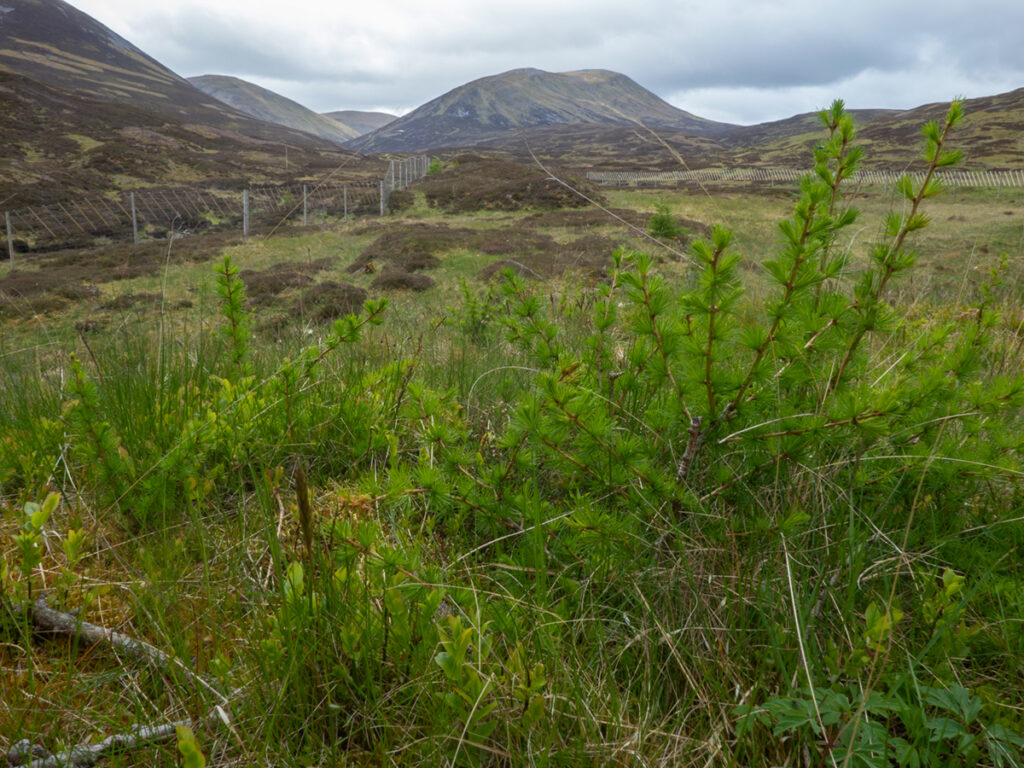
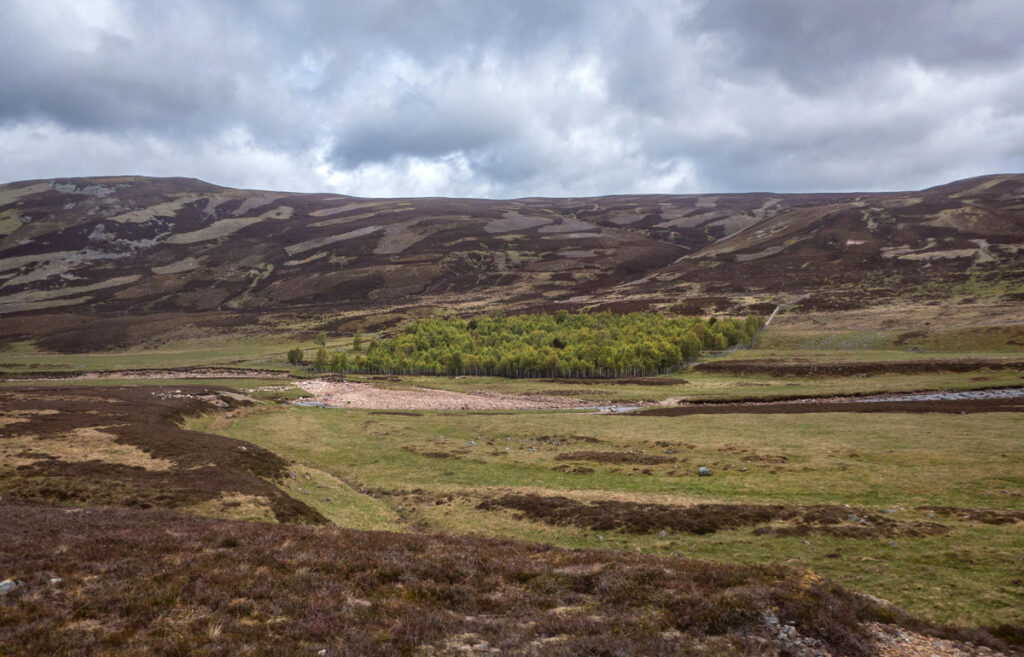
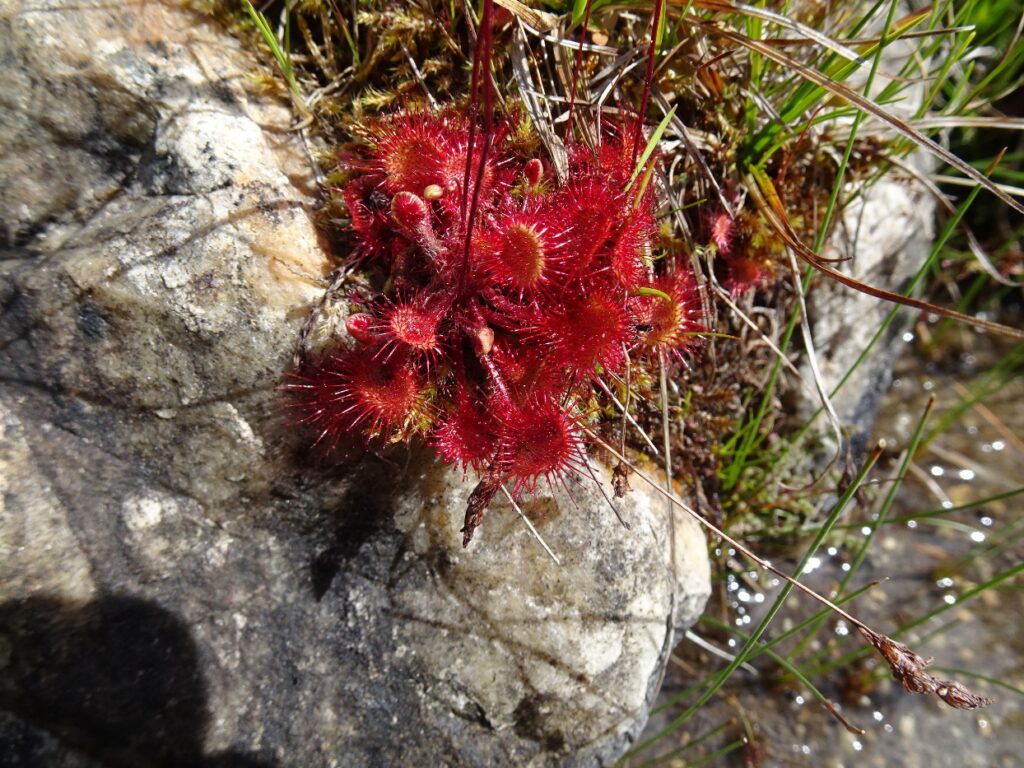
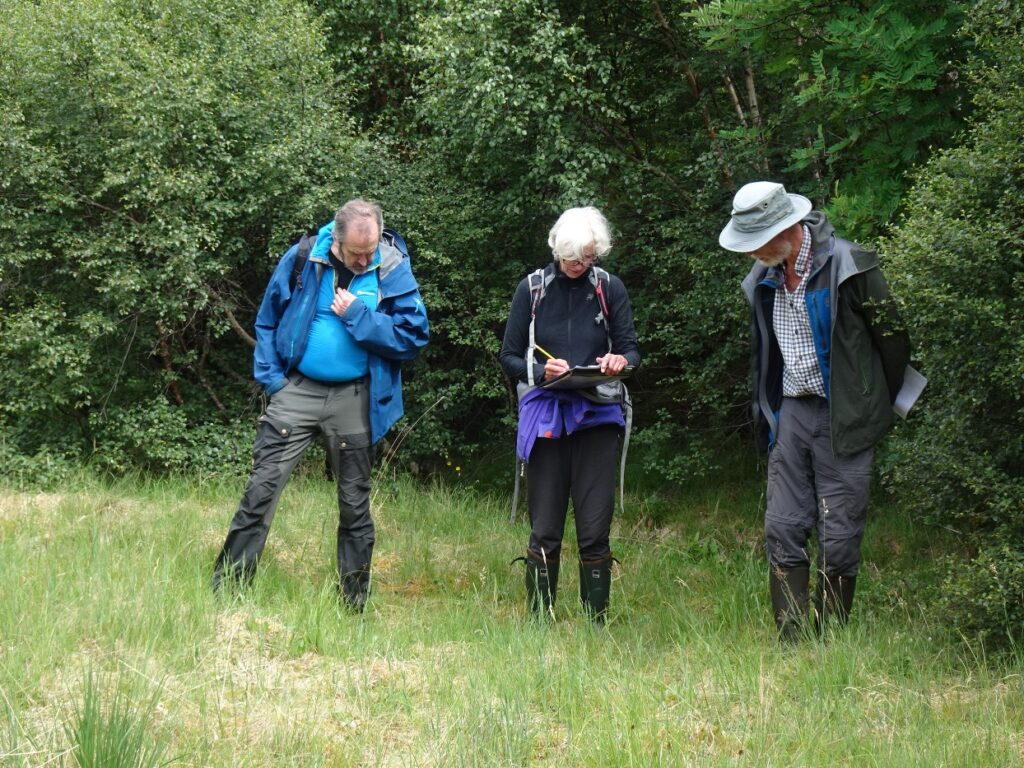
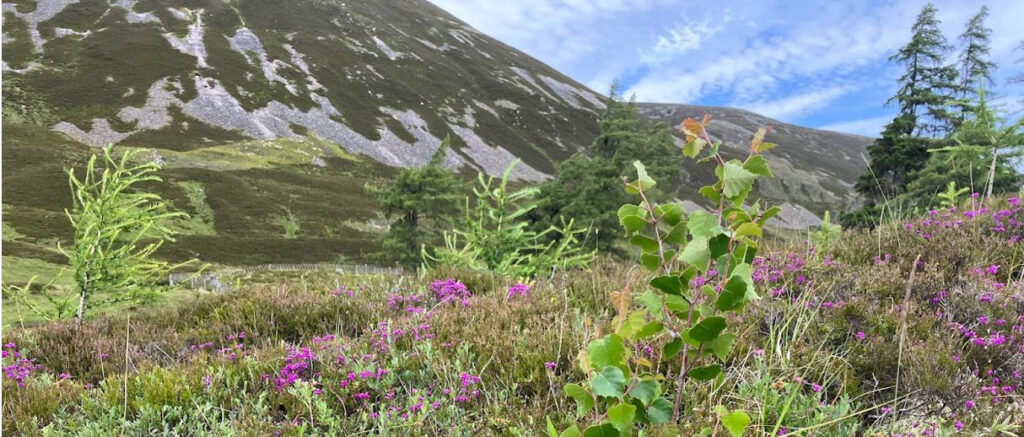
The objective was not just to allow trees to grow and reduce the bleakness of the glen, but also to study how the vegetation would develop once it was no longer subject to regular grazing. Dr. Heather Salzen, the Recorder for South Aberdeen of the Botanical Society of the British Isles, kindly agreed to survey the site and to list all of the flora evident at the time. Since then, the site has shown an impressive level of regrowth, with birch trees the most conspicuous but with plenty else, and the record of flora has been periodically updated. In 2013 the fencing was extended to enclose a slightly smaller area just above and to the east of the original area.
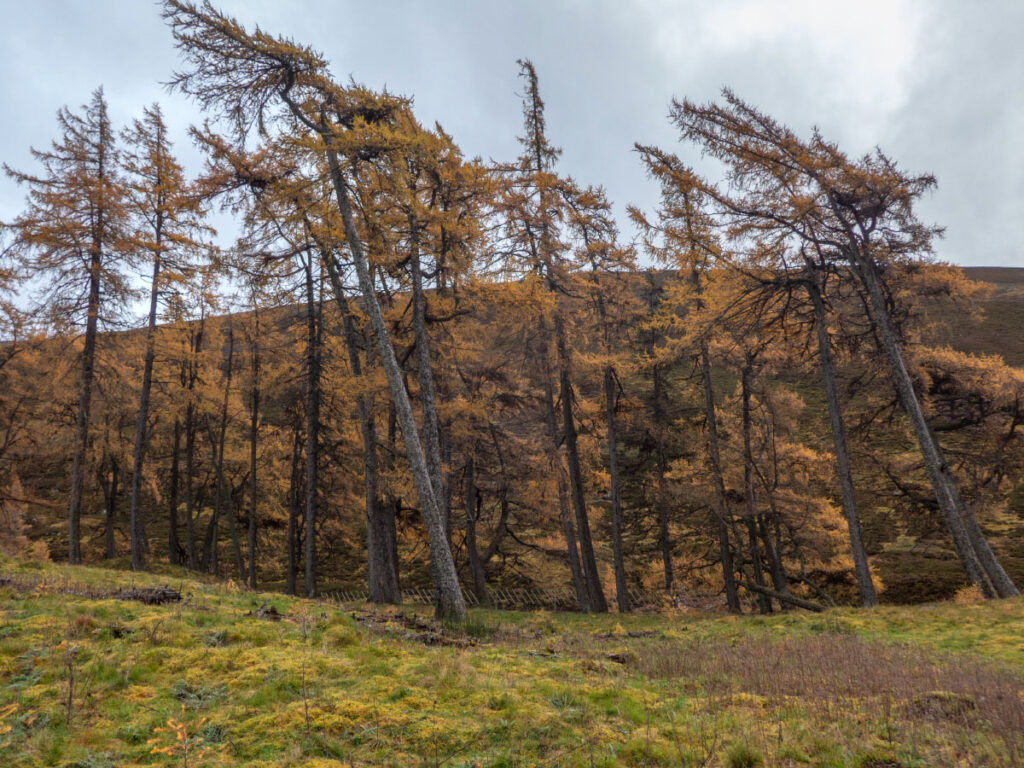
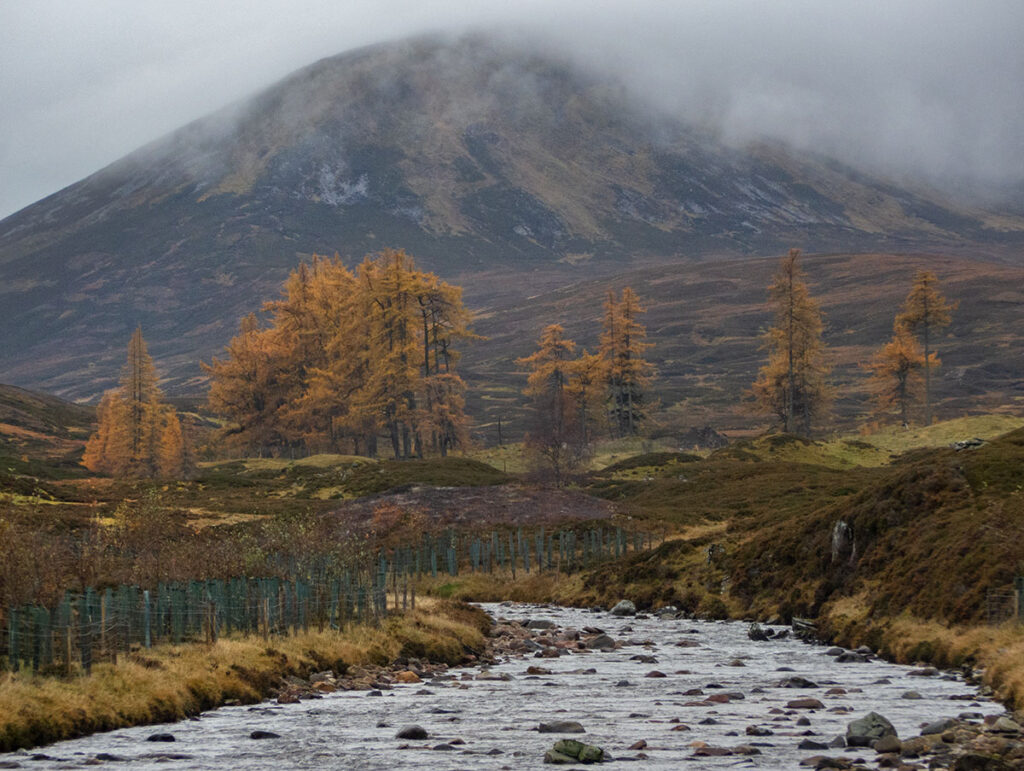
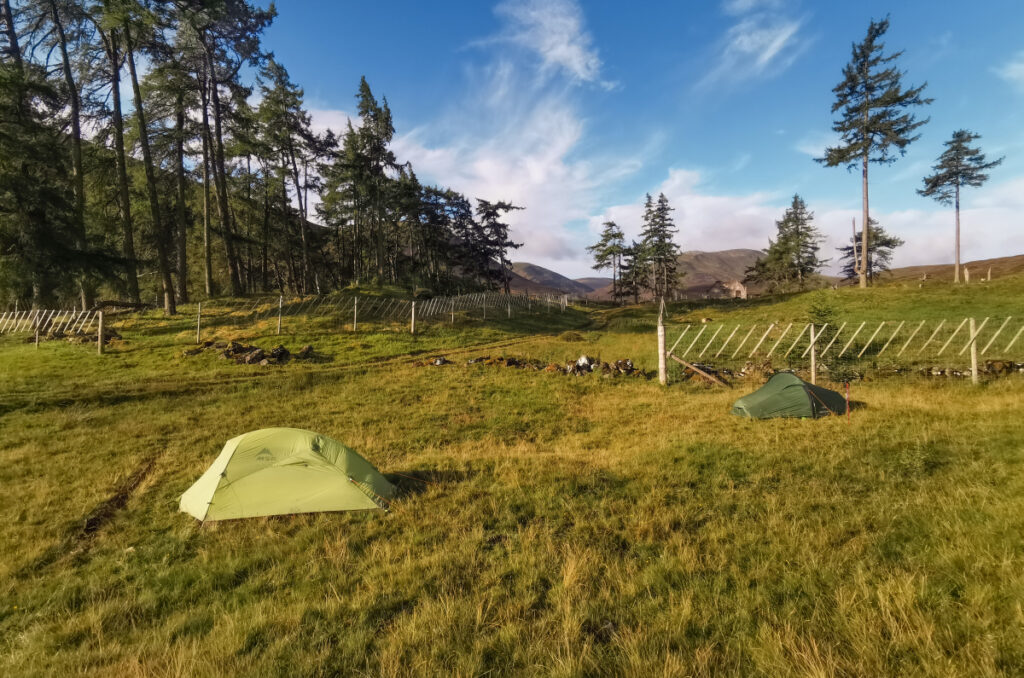
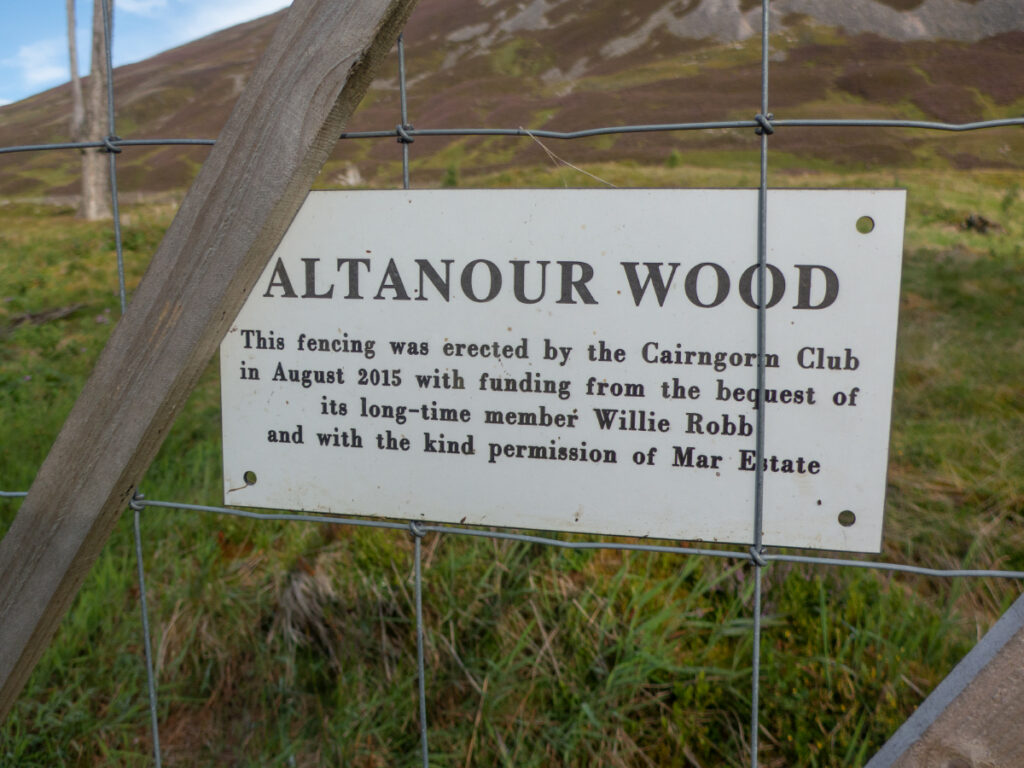
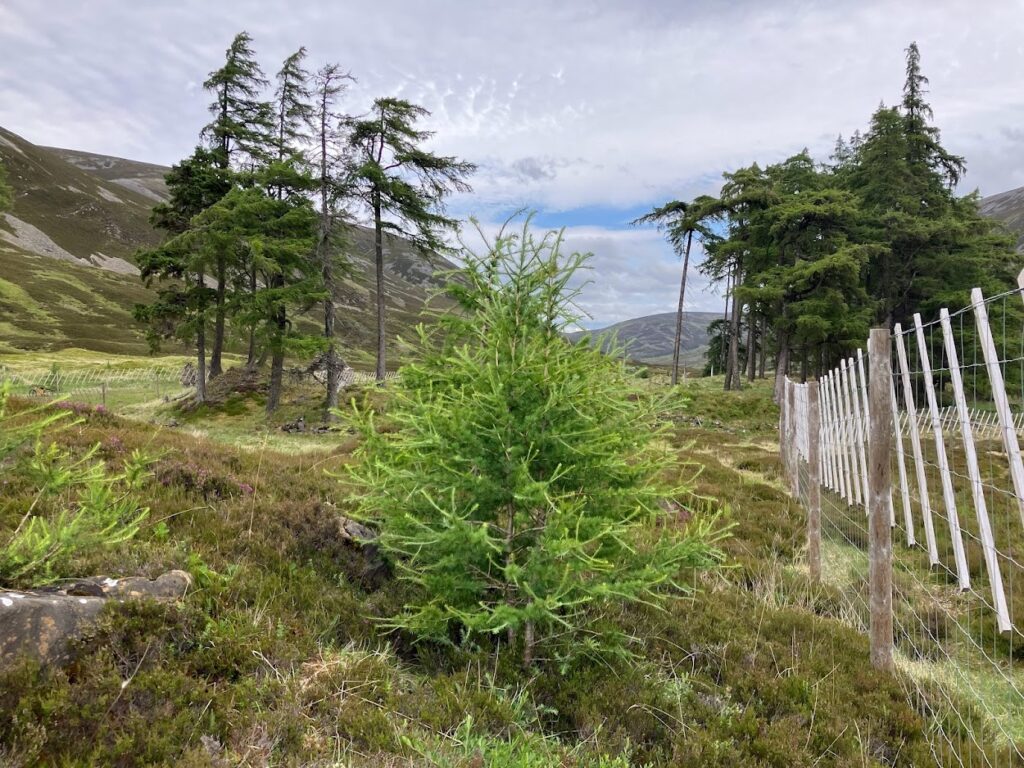
In 2015, with the co-operation of the Mar Estate, a site further up Glen Ey, at Altanour, NO082823, where larches were the predominant trees still surviving, was identified as worthy of similar treatment, and two areas on opposite sides of the estate road were fenced.
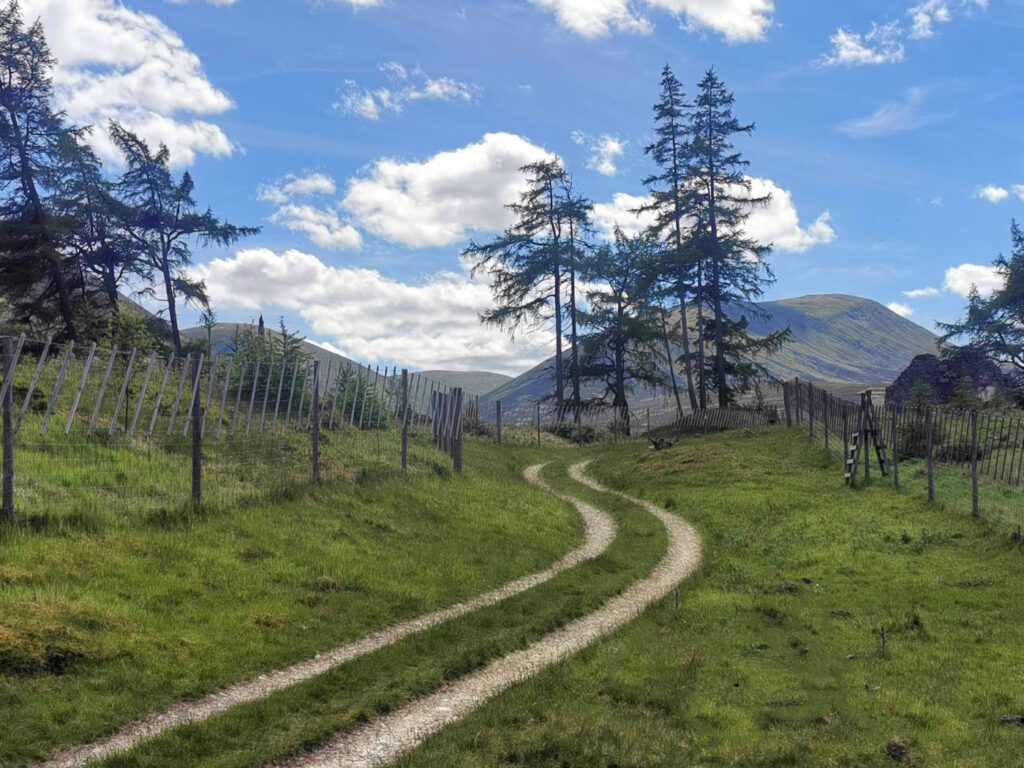
The most recent surveys were carried out in July 2023.
Articles about the successive stages outlined above have appeared in the Club Journal which can be found in the Club Library or, in digitised format, through the following links:
After the initial fencing was completed, Eddie Martin, as Huts Custodian until 1993, saw to much of what had to be done at Piper’s Wood, with help from others such as Robbie Middleton. Later, James Friend took on a degree of responsibility. In 2019, when James Friend was leaving the area, the committee put together a specification for a position of “Glen Ey Woods Observer”, and Richard Shirreffs took this on. The specification read as follows –
This Club post – created by the Committee, and until recently occupied by James Friend – has existed for several years, partly to keep an eye on Piper’s Wood(s) halfway up the Glen, and partly to oversee the more recent Altanour project at the end of the track. The tasks involved are:
- visit the woods once or twice a year
- observe the state of the woods’ fences, stiles, etc.
- bring to the Committee’s attention work that should be done to monitor, conserve and progress these projects.
Actual work (repairs, biological surveys, estate contact, etc.) can be done by others, but of course by or with the Observer if desired.
The current Woods Observer is Tom Litterick